
Strengthen Oklahoma Homes Grant
Get Up to $10,000 Toward a FORTIFIED Roof Through Oklahoma's Statewide Grant Program
Solid Roofing is a certified FORTIFIED contractor, which means we can help you take advantage of this program from start to finish.
Have Questions About The Fortified Roofing Program?
Please complete the form and we'll be in touch with you very shortly!
"*" indicates required fields
What Is the Strengthen Oklahoma Homes (SOH) Program?
The Strengthen Oklahoma Homes program offers grants to Oklahoma homeowners for wind and hail protection on single-family homes. Whether your home is brand new or has been in your family for years, this program can help cover the cost of upgrading your roof to a stronger standard.
One thing people often ask is where the money comes from. The funding is provided by the insurance industry in Oklahoma, not from the state's general budget. That means this program exists specifically to help homeowners protect their property.
What is the FORTIFIED Roofing Program?
FORTIFIED Home is the building standard behind the SOH program. It was created by the Insurance Institute for Business & Home Safety (IBHS) after decades of research into how homes perform in severe weather.
FORTIFIED is a voluntary program that goes beyond basic building codes. To qualify for the grant, your home needs to receive an IBHS FORTIFIED Home, Roof, or High Wind designation with the Hail Supplement.
You can learn more about the FORTIFIED program at fortifiedhome.org.
About the FORTIFIED Roofing Program
The grant program opens in cycles throughout the year. Specific dates for each funding period are announced ahead of time. We recommend checking the OID website regularly or signing up for their newsletter so you know when the next round of applications begins.
Homes with a FORTIFIED designation in Oklahoma can receive discounts on the wind portion of their homeowners insurance premium. The actual discount depends on your insurance carrier, so it's a good idea to reach out to your agent for specific numbers.
If your application is approved and your home qualifies, the grant covers up to $10,000 toward the cost of upgrading your roof. The money goes directly to the contractor (that's us) once the project is done and all the required paperwork is submitted, including the FORTIFIED certificate from IBHS.
If the total project cost is more than the grant award, you would be responsible for the difference. All contracts for the work are between you and the contractor. The program does not send funds to the homeowner directly.
The grant takes care of a big chunk of the roof upgrade, but there are a few things you should know about what's on your end:
- Any cost above the grant amount is your responsibility.
- You'll also need to pay the FORTIFIED evaluator directly for their fee. The grant does not cover that.
- Evaluator fees vary, so it's worth getting a few bids before choosing one.
- Some evaluators charge a small upfront fee for the initial home review.
Beyond that, you should not have to pay anything upfront for the actual roof work.
After a certified FORTIFIED evaluator confirms your home meets the program requirements, you'll pick three contractors from the approved list. Each contractor submits a bid for the work your home needs.
Once the bids come in, you'll get a grant award letter. Work cannot start until you have that letter in hand. As your project moves forward, the evaluator works alongside your chosen contractor to make sure everything meets the FORTIFIED standard before sending the documentation to IBHS for final review.
As a certified FORTIFIED contractor, Solid Roofing is on that approved list and ready to help you through every step.
The evaluation is a two-part process:
- First, a certified FORTIFIED evaluator inspects your property to see if it meets the basic requirements for the FORTIFIED Home program.
- If it does, the evaluator then works with the contractor to document that the materials and installation methods meet the FORTIFIED standard. That documentation gets sent to IBHS for review and certification.
You'll choose your evaluator from a list of SOH-approved professionals. Keep in mind that you pay the evaluator directly for their services. The grant does not cover that fee.
Whether or not you apply for a grant, it's always a good idea to shop around for homeowners insurance. Compare rates and make sure you have the coverage that works best for you and your family.
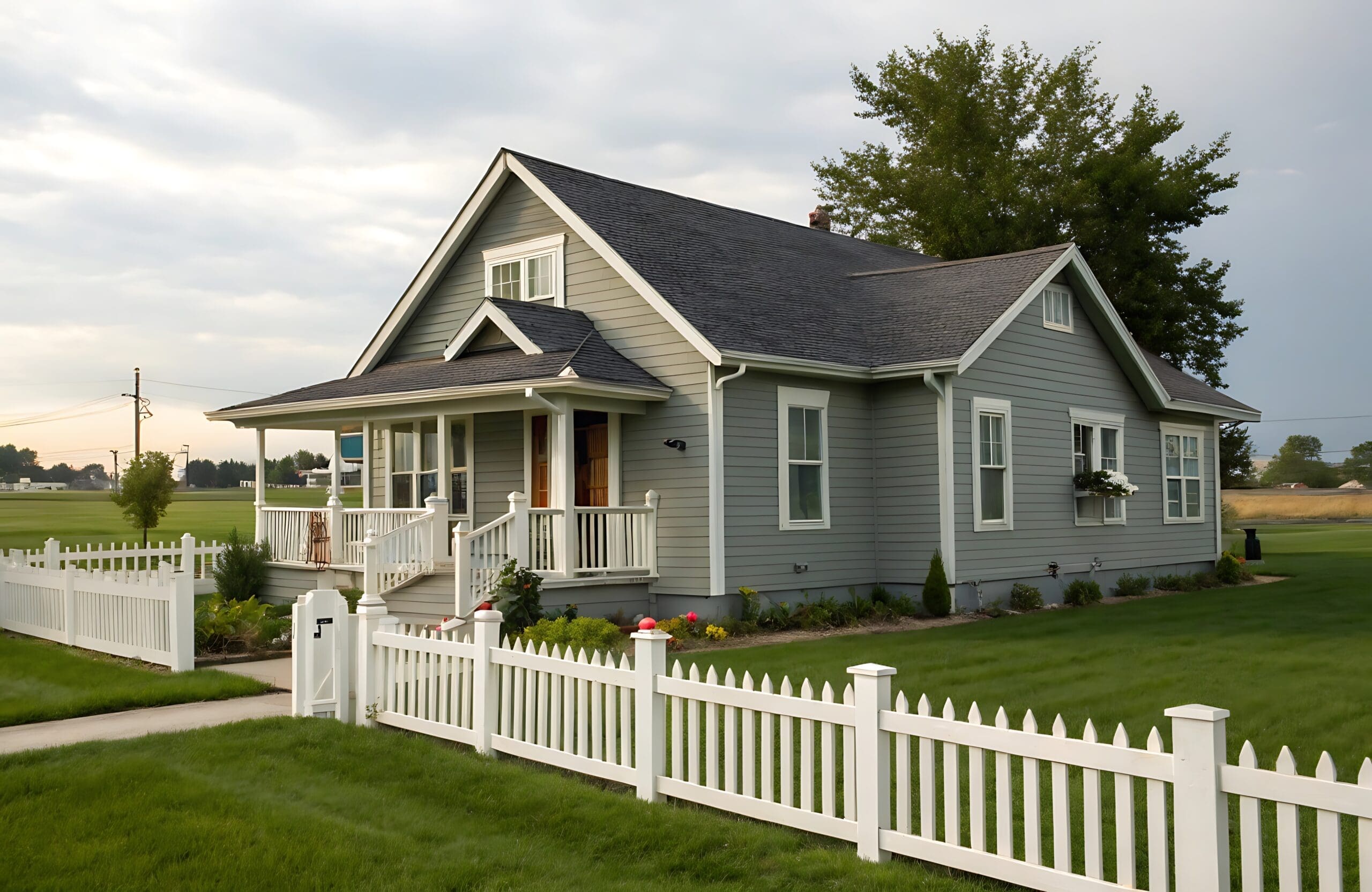
Strengthen Oklahoma Homes Grant
Homeowner Qualifications
- You must claim your primary residence in Oklahoma.
- Condos, duplexes, mobile homes, and manufactured homes are not eligible at this time.
Your home needs to be in good shape, unless the damage is from a tornado, major windstorm, or hail. "Good repair" means the home is well maintained and any existing damage is recent and storm-related.
- You need an active homeowners insurance policy that includes wind coverage.
- If your home is in a special flood hazard area, you also need a flood insurance policy. This can be through the National Flood Insurance Plan or a private carrier.
You can check whether your property is in a floodplain by visiting FEMA's map portal.
The program uses two income tiers:
- Tier 1: Household income of $62,138 or less.
- Tier 2: Household income above $62,138.
To get a FORTIFIED designation certificate, your home has to be inspected by a certified FORTIFIED evaluator approved by the SOH program. The evaluator checks whether your home meets the minimum requirements.
If your home doesn't meet those requirements, it won't be eligible for a grant. If it does, the evaluator works with the contractor to document the work. After everything is finished, the evaluator sends all the documentation and photos to IBHS for review. If the roof meets the FORTIFIED standard, IBHS issues the designation certificate.
You'll select your evaluator after your application is approved.
- The SOH program pays the contractor on your behalf.
- Payment goes out only after you've met all the grant requirements.
You'll need to follow the Homeowner Checklist and Instructions provided by the SOH program during the application process.

Strengthen Oklahoma Homes Grant
Contractor and Evaluator Qualifications

Contractors, evaluators, and professionals working through the SOH program each have their own checklist to follow. These documents outline the steps and requirements that need to be met.
Separate instruction guides are available for contractors, evaluators, and other professionals involved in the program.
To work within the SOH program, contractors and evaluators need to be certified through the IBHS FORTIFIED program. Solid Roofing holds this certification, so you're in good hands. If you're a contractor looking to get certified, visit Fortified Home - How To Become Fortified Certified to start the training.
Contractors and evaluators can send their applications along with all required documents to OKready@oid.ok.gov.
The SOH program provides several forms and documents you may encounter during the process, including the Initial Home Review, Bid Correction Form, Invoice, and Affidavit of Completion. Technical bulletins are also available with additional guidance.
Frequently Asked Questions about The SOH Program
Before paying for an evaluator, make sure there's at least one approved FORTIFIED contractor available in your area. During the grant process, you'll pick three contractors from the approved list who will each submit bids. If you hire a contractor and start work before being accepted into the program, you won't be eligible for the grant.
There are two ways. You can pay for the project yourself by contacting a certified evaluator to get started. Or you can ask your insurance agent about adding a FORTIFIED endorsement to your policy. With that endorsement, your insurance company can replace your roof to the FORTIFIED standard when it's damaged in a covered event.
Most primary residences, including single-family homes and new construction, are eligible. Apartments, duplexes, condos, manufactured homes, and mobile homes are not.
You must own and live in the home as your primary residence and verify you have a homestead exemption by uploading documentation during the application. You also need an active residential insurance policy with wind coverage. If you're in a Special Flood Hazard Area designated by FEMA, you'll need proof of flood insurance too.
You'll upload the declaration page of your insurance policies in PDF format during the application. Contact your agent if you're not sure about your coverage. The home must be in good repair and eligible for a FORTIFIED Home designation as determined by an evaluation and IBHS.
FORTIFIED evaluators are independent, third-party professionals trained and certified in FORTIFIED standards. They document and verify the whole construction process to make sure program requirements are met.
The pre-evaluation determines whether your home qualifies for the FORTIFIED Roof upgrade and what work is needed. The evaluation continues through the project's completion, confirming that everything was done right. The evaluator sends a final report to IBHS and gets the FORTIFIED Roof certificate.
You are responsible for paying the evaluator's fees for the full evaluation process.
The grant covers up to $10,000 for the roof upgrade. That money goes directly to the contractor after the project is finished and all required paperwork, including the FORTIFIED certificate from IBHS, is submitted. The evaluator's fee is not included in the grant.
No, the grant won't cover your insurance deductible. But it can be used alongside an insurance claim. Up to $10,000 in grant funds may go toward the cost of upgrading your roof to the FORTIFIED standard.
No. You have to apply for and be awarded a grant before choosing a contractor and starting any work.
Yes. The grant can cover the gap between your insurance claim payment and the cost of upgrading to a FORTIFIED roof.
A FORTIFIED designation is a written certification that a home has been built, renovated, or re-roofed to FORTIFIED standards. IBHS issues the certificate after reviewing the documentation from a FORTIFIED evaluator. You need this certificate to receive the SOH grant funding.

OUR REVIEWS
LISTEN TO WHAT OUR
CUSTOMERS HAVE TO SAY...

 Trustindex verifies that the original source of the review is Google. Trustindex verifies that the original source of the review is Google. Trustindex verifies that the original source of the review is Google. Trustindex verifies that the original source of the review is Google. Trustindex verifies that the original source of the review is Google. Trustindex verifies that the original source of the review is Google. Trustindex verifies that the original source of the review is Google. Trustindex verifies that the original source of the review is Google. Trustindex verifies that the original source of the review is Google. Trustindex verifies that the original source of the review is Google.
 Trustindex verifies that the original source of the review is Google. Trustindex verifies that the original source of the review is Google. Trustindex verifies that the original source of the review is Google. Trustindex verifies that the original source of the review is Google.

 Trustindex verifies that the original source of the review is Trustindex.